


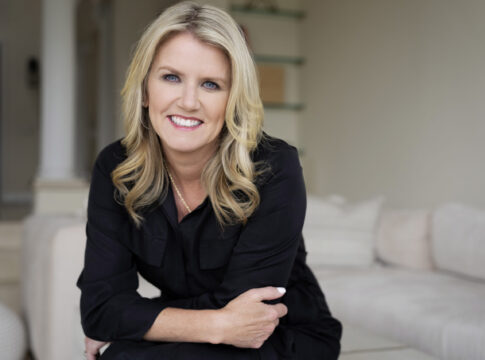
Microsoft’s Amy Coleman Reshapes Global HR Organization for the AI Workforce Era
Microsoft has introduced one of its biggest Human Resources transformations in recent years under Chief People Officer Amy Coleman. The restructuring reflects the company’s changing workforce strategy as artificial intelligence reshapes jobs, leadership, and employee development. Amy Coleman announced several leadership appointments and organizational changes across Microsoft’s global HR function during March 2026. The initiative focuses on building a more agile people organization capable of supporting over 220,000 employees worldwide. The move positions HR as a strategic driver of business transformation rather than a traditional support function.
HR Leadership Drives Microsoft’s Workforce Transformation
Amy Coleman reorganized Microsoft’s HR structure around employee experience, workforce planning, talent development, compensation, and people analytics. The company created dedicated teams responsible for accelerating workforce readiness and organizational adaptability. HR leadership is becoming increasingly connected to business strategy as technology companies prepare employees for AI-driven workplaces. Microsoft also combined several culture and inclusion functions into a unified people organization. The restructuring aims to improve collaboration across global HR operations while simplifying decision-making.
Women Leaders Expand Strategic HR Responsibilities
The restructuring elevated several women executives into broader leadership responsibilities across Microsoft’s people organization. Leslie Lawson Sims now leads the newly formed People and Culture organization. Nathalie D’Hers oversees people analytics and workforce insights supporting leadership decisions across the company. HR leadership also received stronger responsibilities for employee engagement, culture, and organizational effectiveness. The changes demonstrate Microsoft’s continued investment in women leaders shaping future workforce strategies.
Microsoft’s HR transformation reflects a wider trend among global technology companies. Organizations are investing in people analytics, workforce planning, and employee experience instead of traditional HR administration. HR leadership teams now influence business resilience, skills development, hybrid work, and organizational culture. Microsoft’s new operating model also strengthens alignment between talent strategy and long-term business priorities. The company believes adaptability will become a defining capability for future organizations.
Amy Coleman’s leadership marks an important milestone in the evolution of HR within global technology companies. Her restructuring places women leaders at the center of workforce transformation during a period of rapid technological change. HR leadership continues evolving into a business function responsible for talent, culture, and organizational growth. The March announcement highlights how female executives are shaping the future of enterprise workforce management.